We built RAMSR because regulation in early childhood is vital, and it is unlocked by rhythm and movement.
RAMSR is an evidence-backed rhythm and movement program for early childhood settings. This is the story of where it came from, why it works, and why it matters.
RAMSR is a program for young children that aims to support their attentional and emotional self-regulation skills, as well as mental flexibility, inhibition, and working memory (executive function).
RAMSR stands for Rhythm and Movement for Self-Regulation. It is a practical, evidence-based training program that gives early childhood educators a structured, repeatable way to support children's self-regulation, attention, participation, and group readiness through the proven mechanism of rhythm and movement.
It is an educator capability building approach that embeds into the daily life of a centre. 15 minute sessions, run by your educators, a couple of times per week are shown to produce results in children's self-regulation.
The evidence
Across multiple trials, RAMSR has demonstrated positive outcomes in self-regulation, attention, impulse control, social development, reduced behaviour problems, and school readiness. These results were achieved by generalist educators, not specialists, which means the outcomes are genuinely replicable in your centre.
Built by researchers and practitioners who understand early childhood.
RAMSR was developed by a team with deep roots in music therapy, developmental psychology, early childhood education, and applied research. The program is not borrowed from another field, it was designed specifically for early childhood settings and the real conditions educators work in.
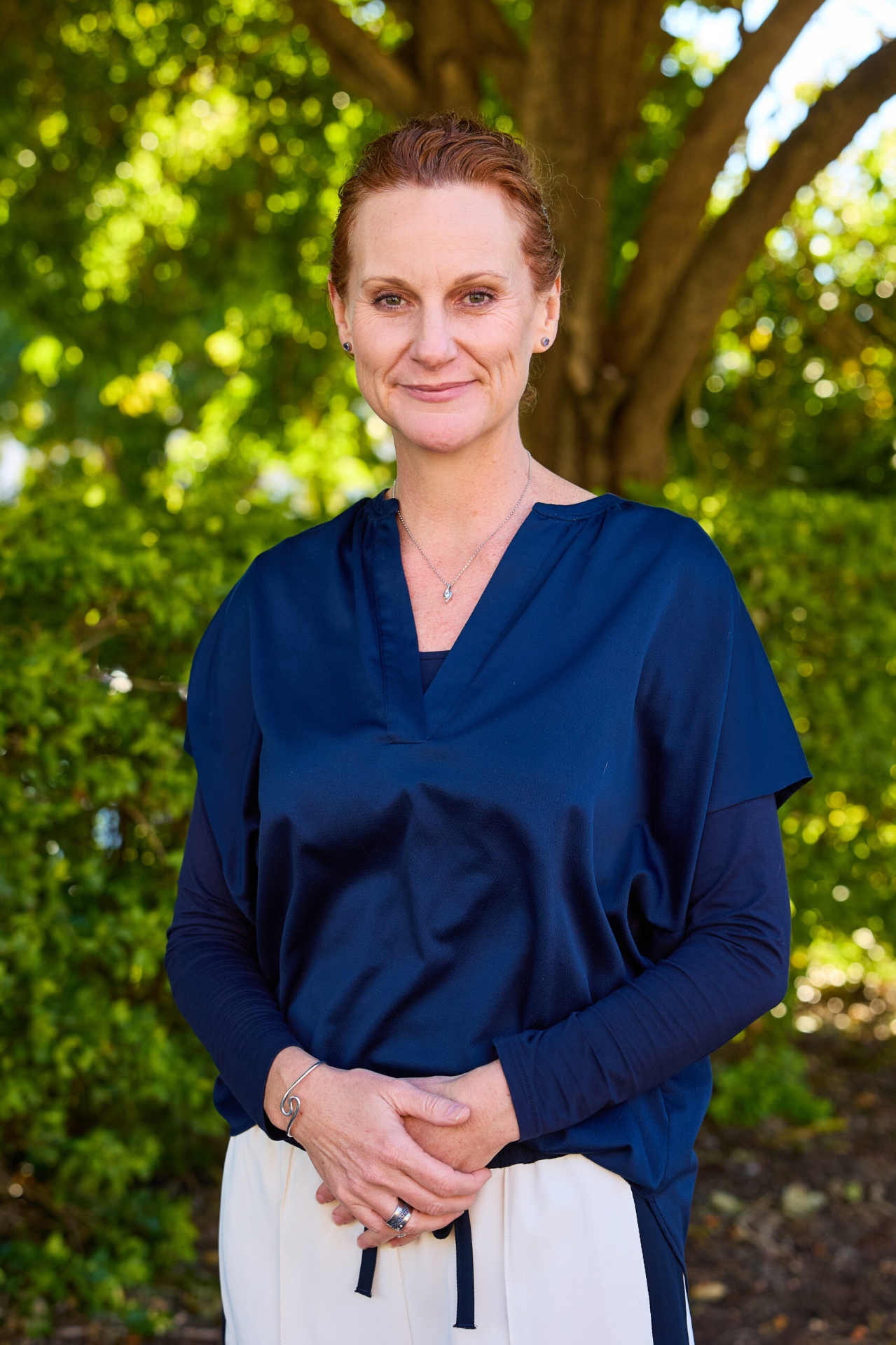
Professor Kate Williams
Kate is a Professor at QUT and the founder of RAMSR. A registered music therapist and developmental researcher, she has led more than a decade of studies, including multiple randomised controlled trials, into how rhythm and movement support self-regulation in early childhood. She designed RAMSR to put that evidence directly into educators' hands.
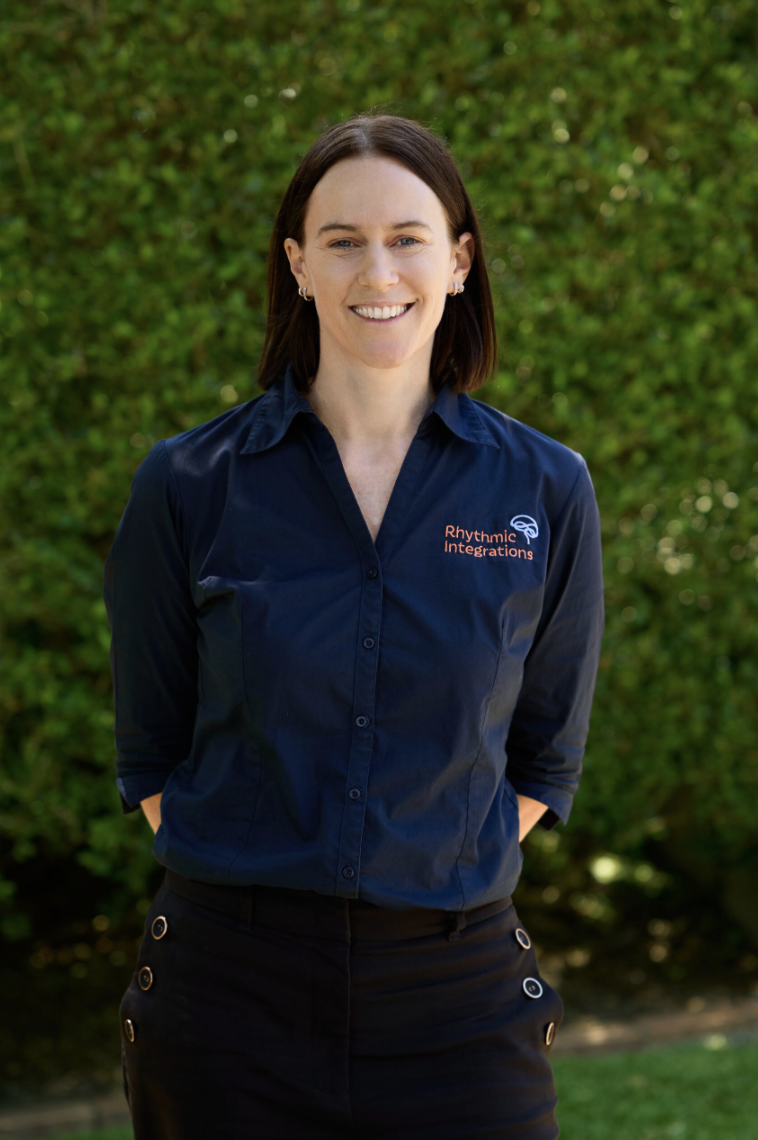
Rebecca Eager
Bec is the director of Rhythmic Integrations and one of Australia's leading Neurologic Music Therapists, with a Master of Music Therapy and advanced NMT fellowship training. Drawing on 15 years of clinical practice and a performance-musician background, she created and produced the majority of the RAMSR music and co-designed the RAMSR-T program.
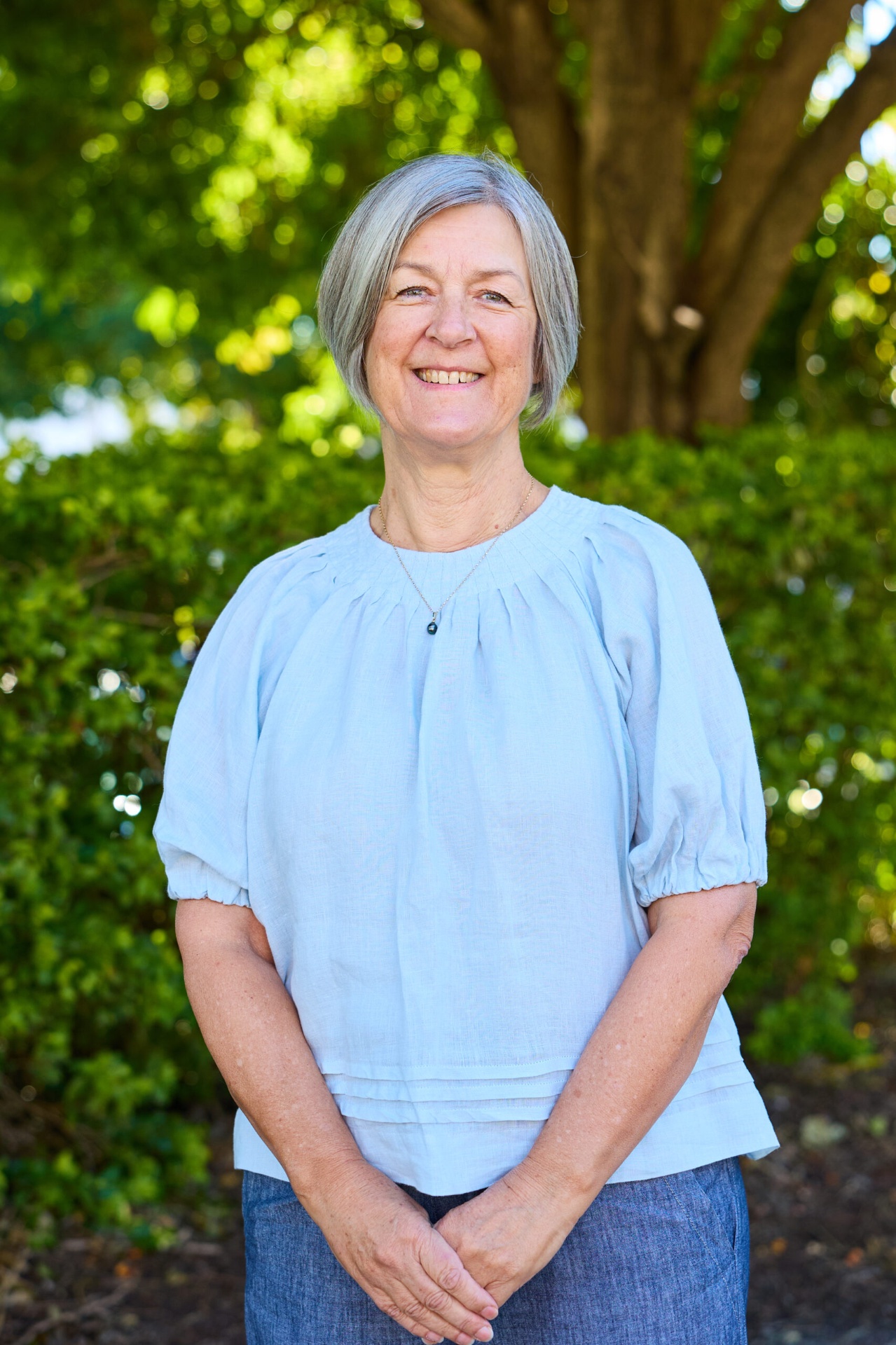
Dr Sally Savage
Sally is an early-years teacher and QUT academic with deep experience across kindergartens, long day care, schools and home-based early intervention. Involved in the original 2016 RAMSR pilot, she co-designed the RAMSR-T program, leads coach training as QUT Academic Lead, and delivers professional workshops across Australia.
Trusted by centres across Australia.
Here is what directors and educators have to say about the program.
"The training was so enjoyable and I felt confident to start running sessions straight away. The lesson plans were so useful, it was easy to implement from just after I completed the training."
"We have been running it in our rooms for months and I have really noticed a difference in the children. Those who didn't use to join in are joining in, and everything seems to run more smoothly and calmly the mornings we run RAMSR."
"It built my confidence so much, I feel like I have real tools to support the children now."
Featured and recognised in:
Talk to us about your centre.
Tell us about your centre, the challenges you're facing, and we'll be in touch with everything you need to know.